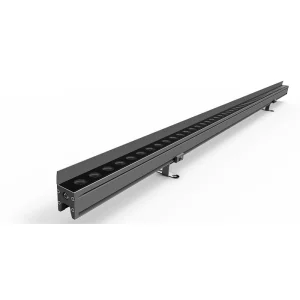
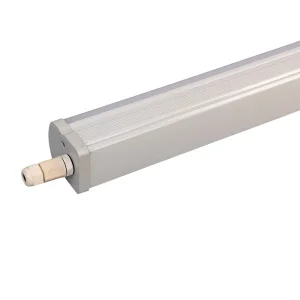
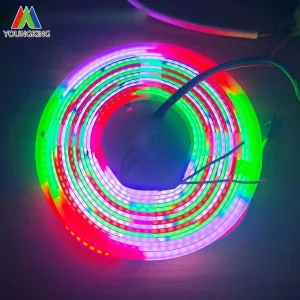
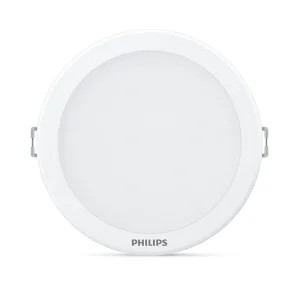
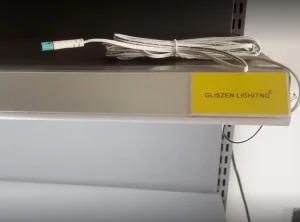
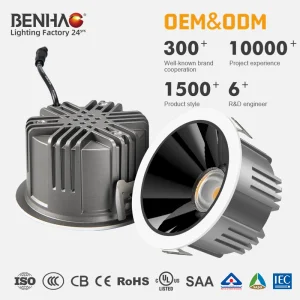
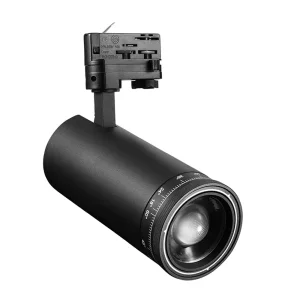
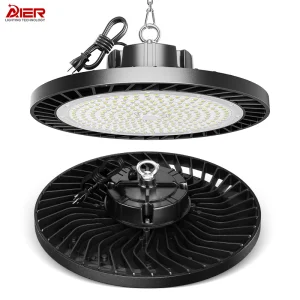
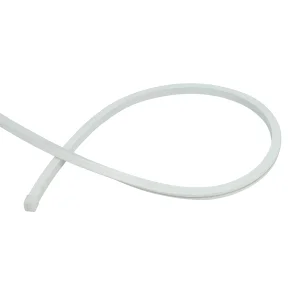
Explore our engineering capabilities and premium component selections optimized for commercial, industrial, and high-end residential applications.
A technical examination of performance characteristics, raw material advantages, and procurement standards.
Modern commercial and residential architectural designs increasingly demand functional, unobtrusive task lighting solutions. LED under cabinet lights represent a critical subclass of architectural task luminaires, necessitating rigorous attention to optical metrics, profile geometries, and mechanical configurations. Global builders and high-tier lighting distributors must navigate intricate metrics beyond basic wattage, focusing on Luminous Efficacy (lm/W), Color Rendering Indexes (CRI/Ra > 90), and Photobiological Safety standard compliance.
By sourcing from factories that control raw materials, chip die-bonding, and surface-mount technologies (SMT) internally, B2B procurement professionals secure products with minimized color shift variances (MacAdam Ellipse < 3 SDCM) and exceptional thermal dissipation profiles. In turn, these attributes yield a dramatically reduced Total Cost of Ownership (TCO) and avoid costly field failures.
Information Gain: High-performance LED under cabinet lighting relies on optimized thermal transfer substrates. Premium manufacturers leverage thick-film aluminum PCBs (insulated metal substrates) paired with thermal conductivity coefficients exceeding 2.0 W/mK to systematically preserve the service life of SMD LEDs.
Case Study: Operating at the Nexus of Global Distribution and Precision Manufacturing
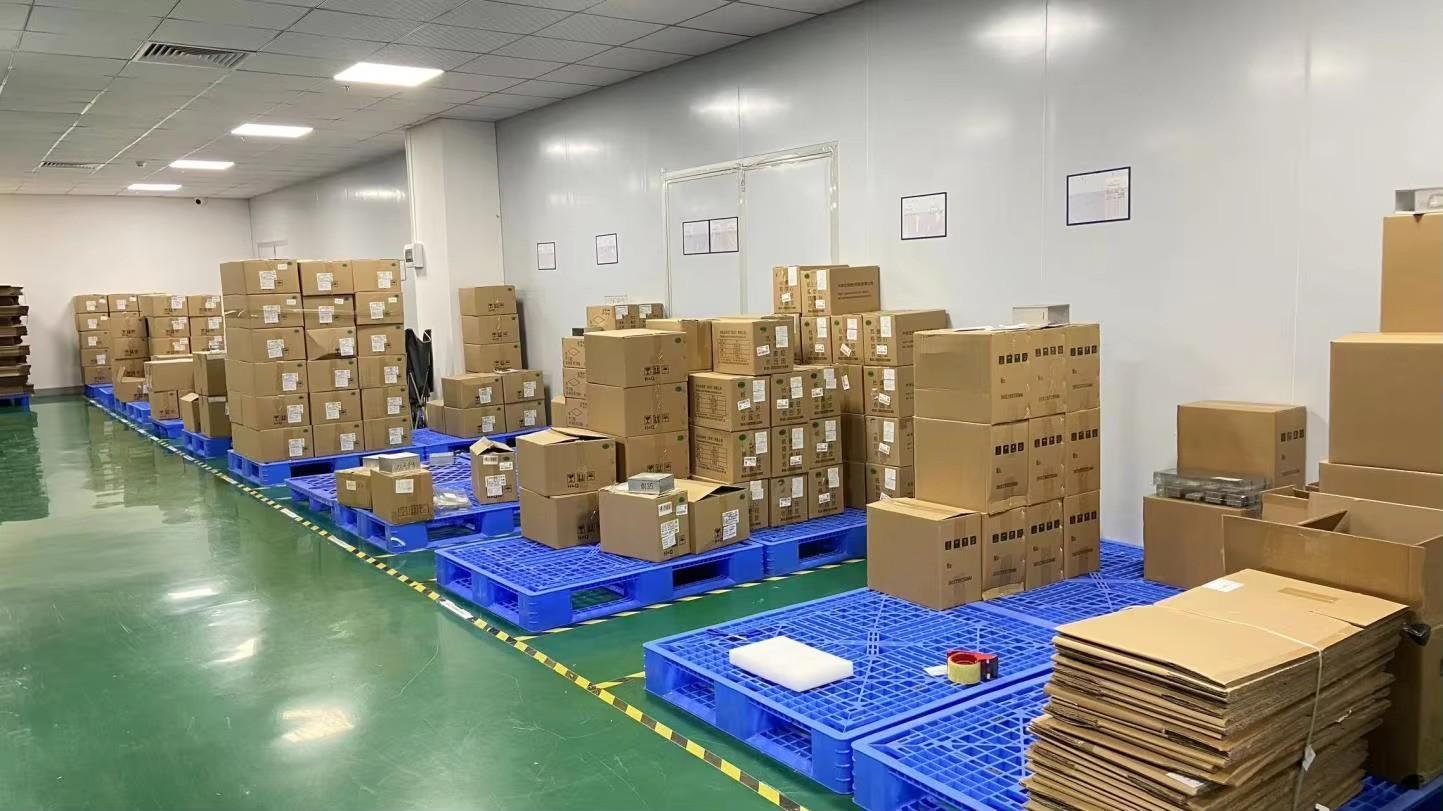
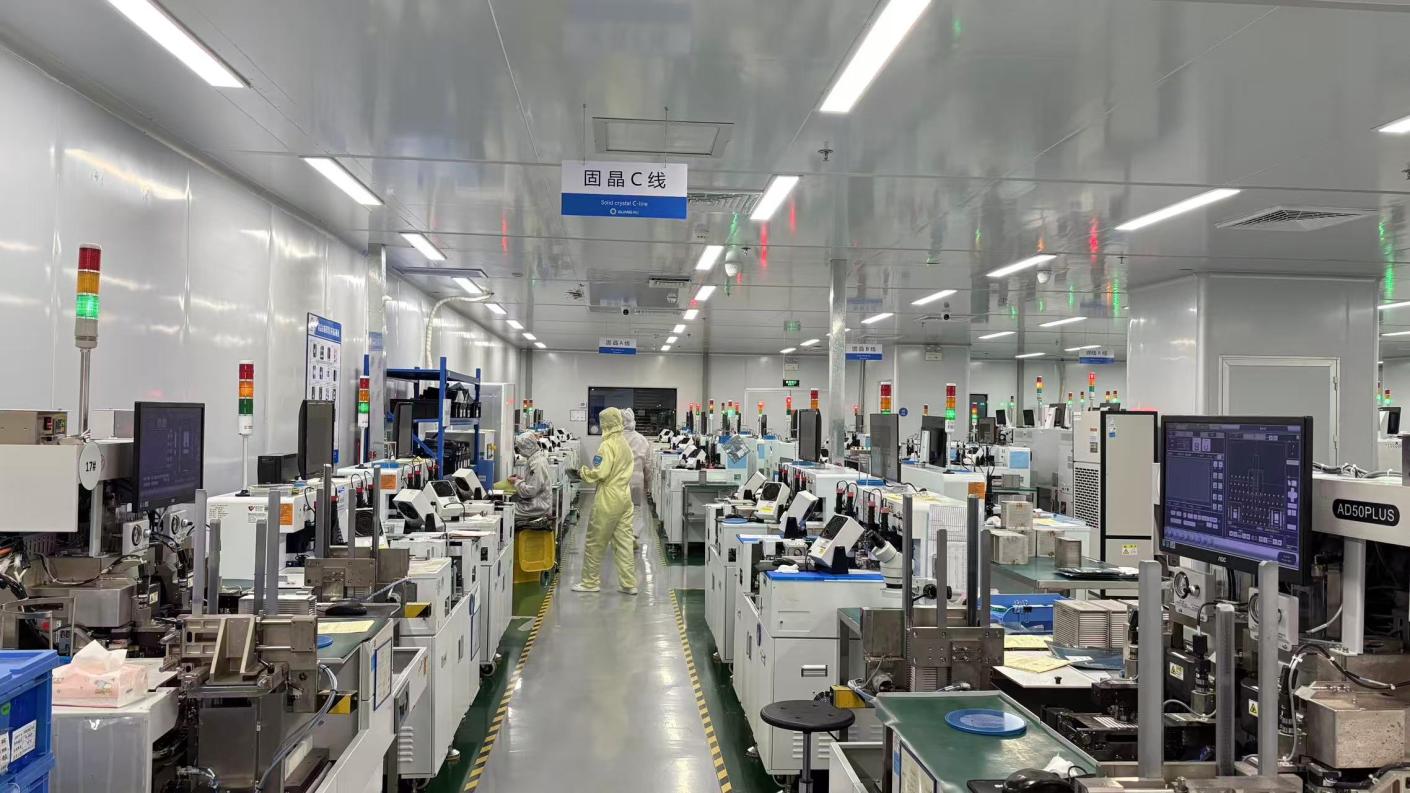
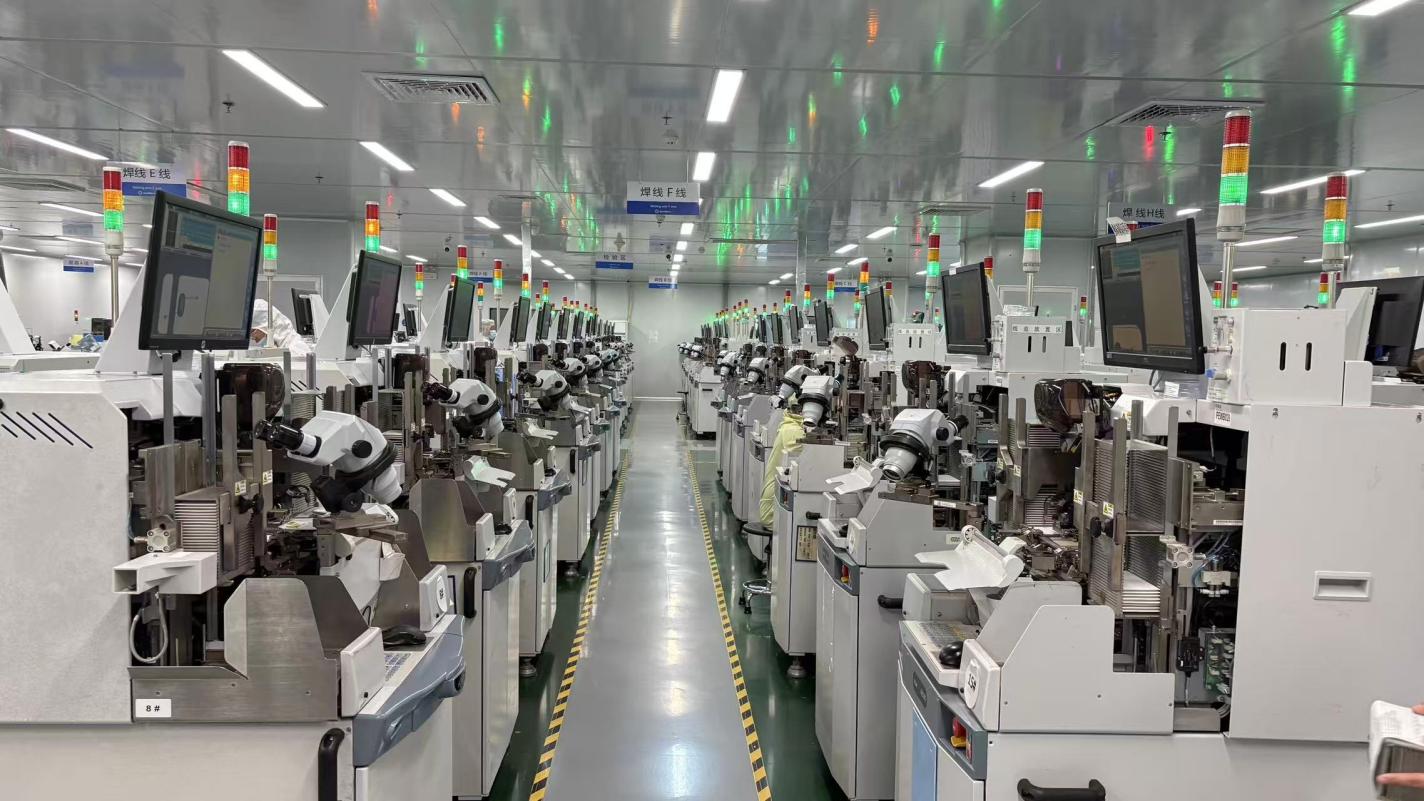
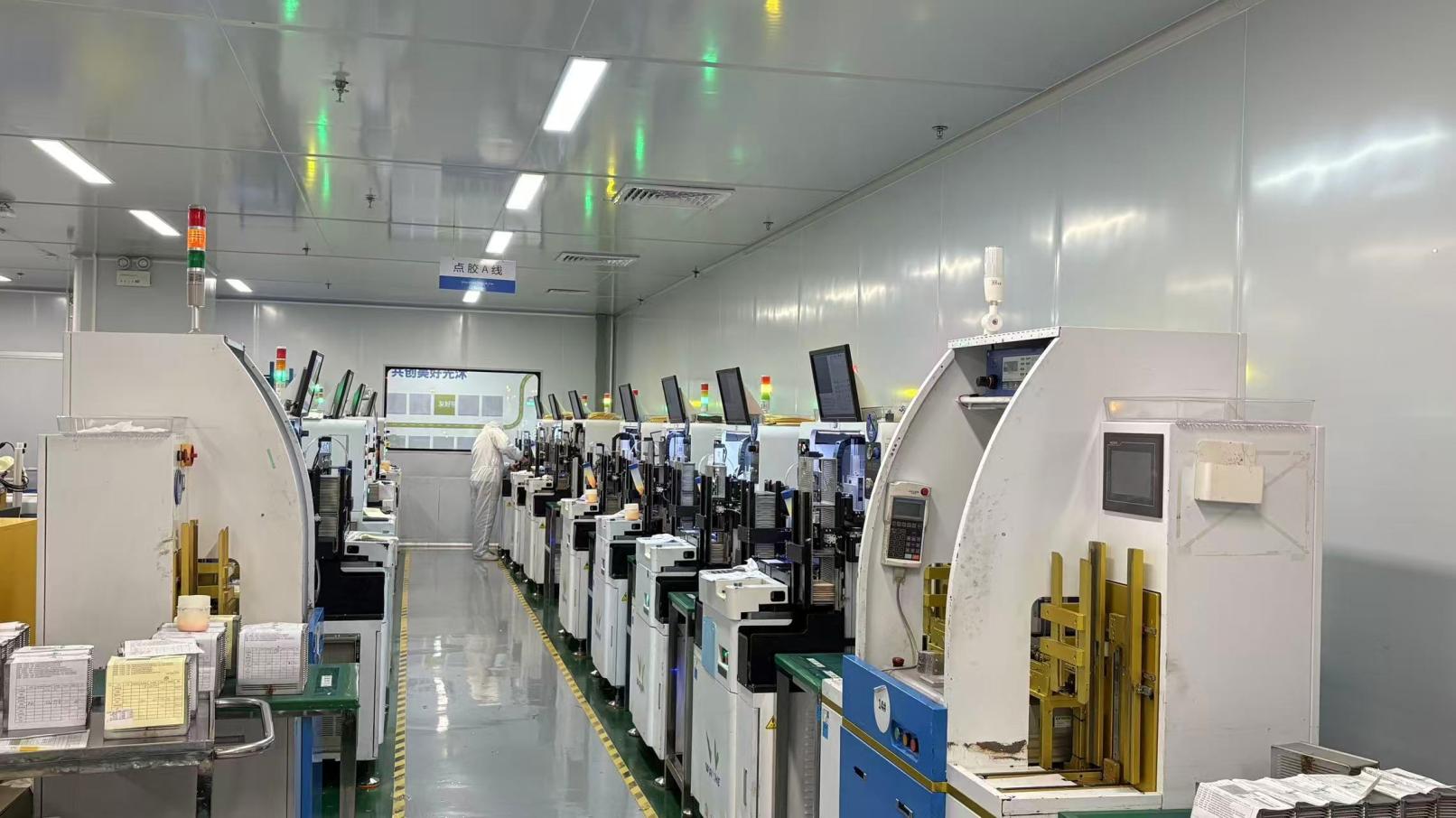
Zentem's state-of-the-art facilities located in Guzhen, Zhongshan—China's lighting capital—utilize advanced Samsung SMT equipment, custom reflow soldering chambers, and full-spectrum spectroradiometer testing to guarantee rigorous quality standards.
Situated in Guzhen, Zhongshan—recognized globally as the epicenter of luminaires—Zhongshan Zentem Light Co., Ltd. stands as a premium example of why global procurement managers prioritize Chinese factories. With over 15 years of deep manufacturing and export experience, Zentem provides highly specialized OEM and ODM services to more than 1,000 global clients across 80 countries, ranging from Asia and the Middle East to Africa and South America.
Zentem's operations are underpinned by a massive 42,800㎡ manufacturing hub with 16 high-efficiency automated lines. Their financial flexibility is equally robust, extending various terms such as T/T, balance before B/L, L/C, Open Account (O/A), and monthly statements to lower the cash-flow pressure and minimize risk for high-volume distributors.
A visual and technical examination of Zentem's rigorous 12-step manufacturing and quality control sequence.
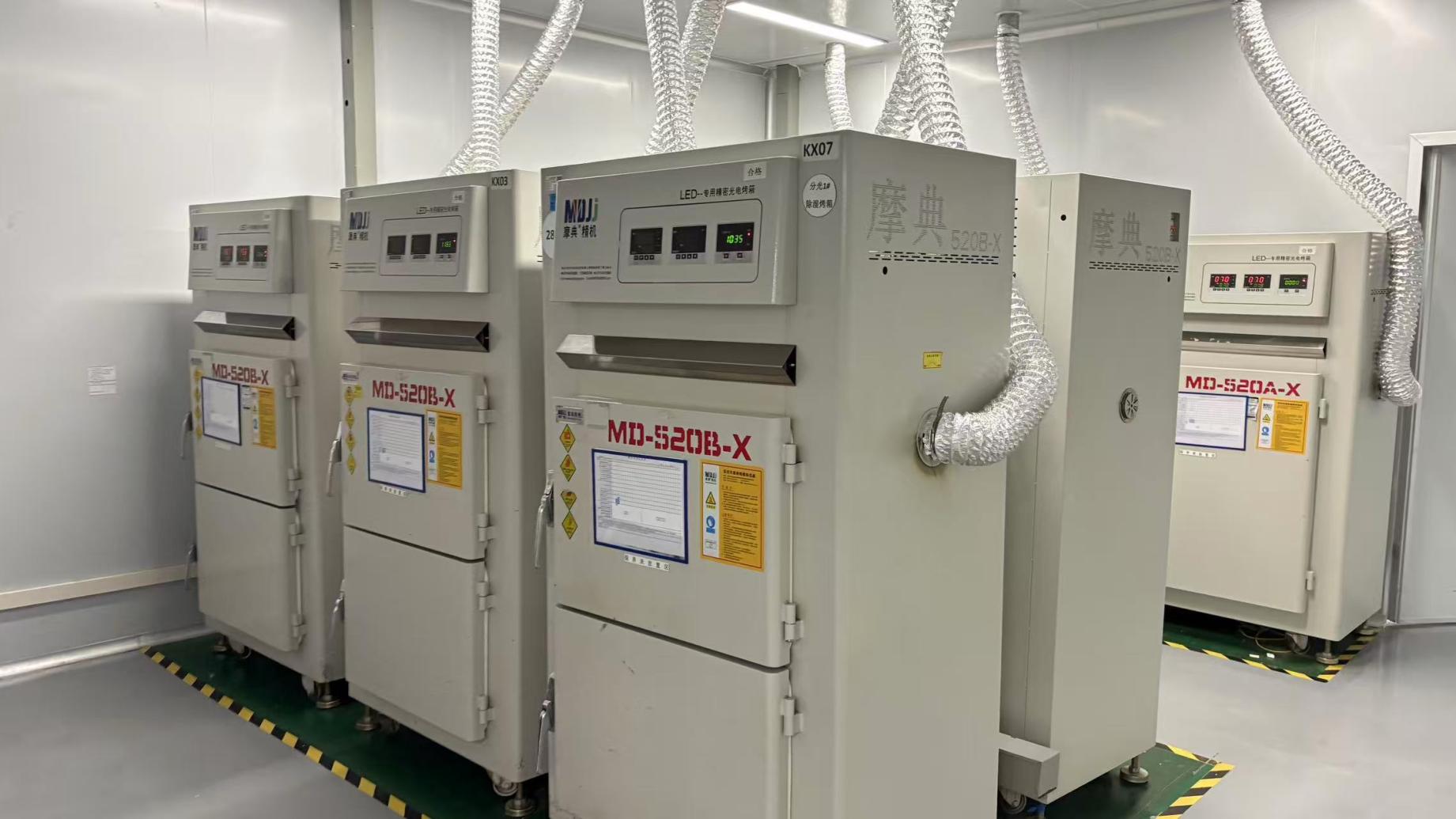
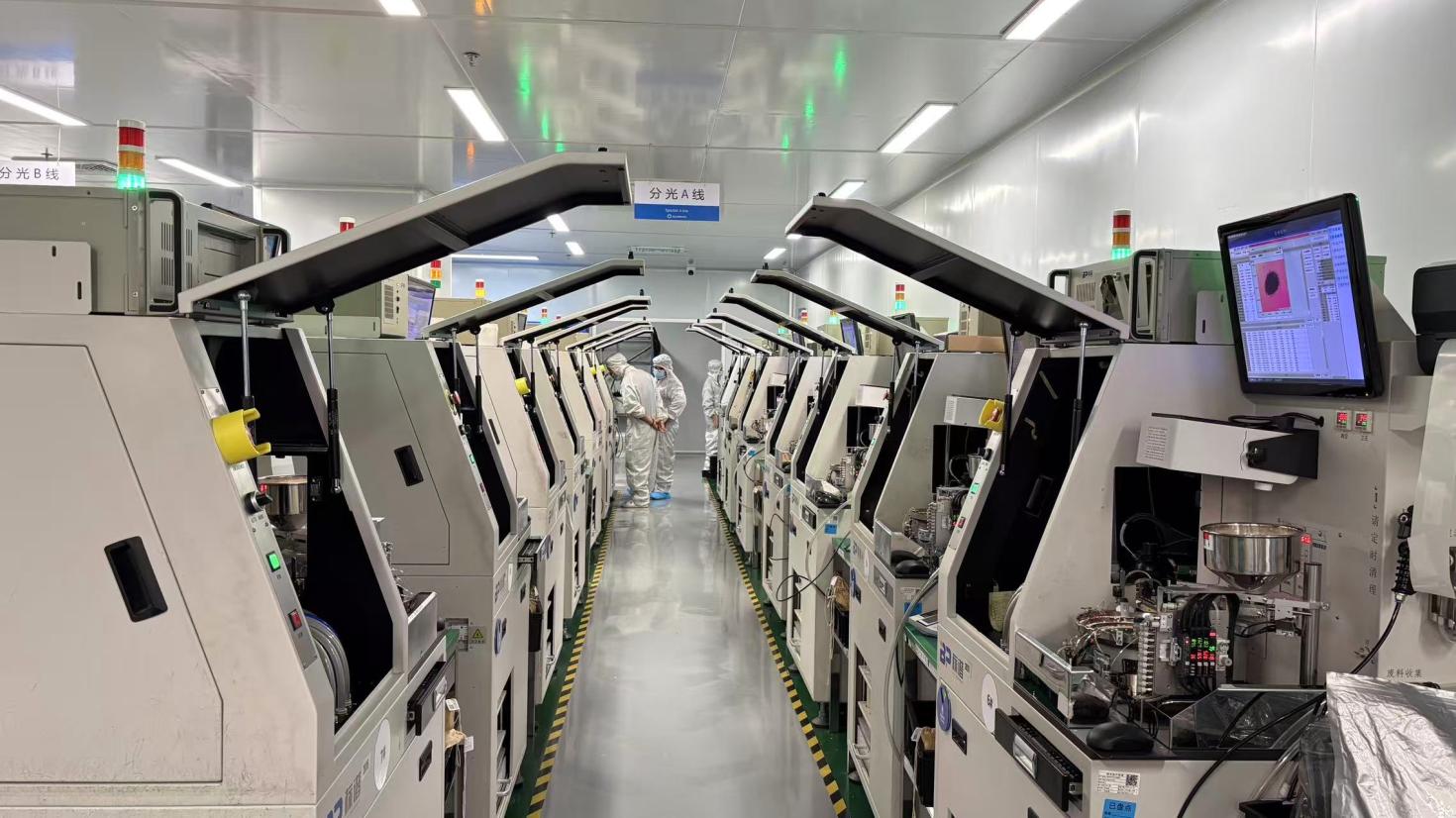
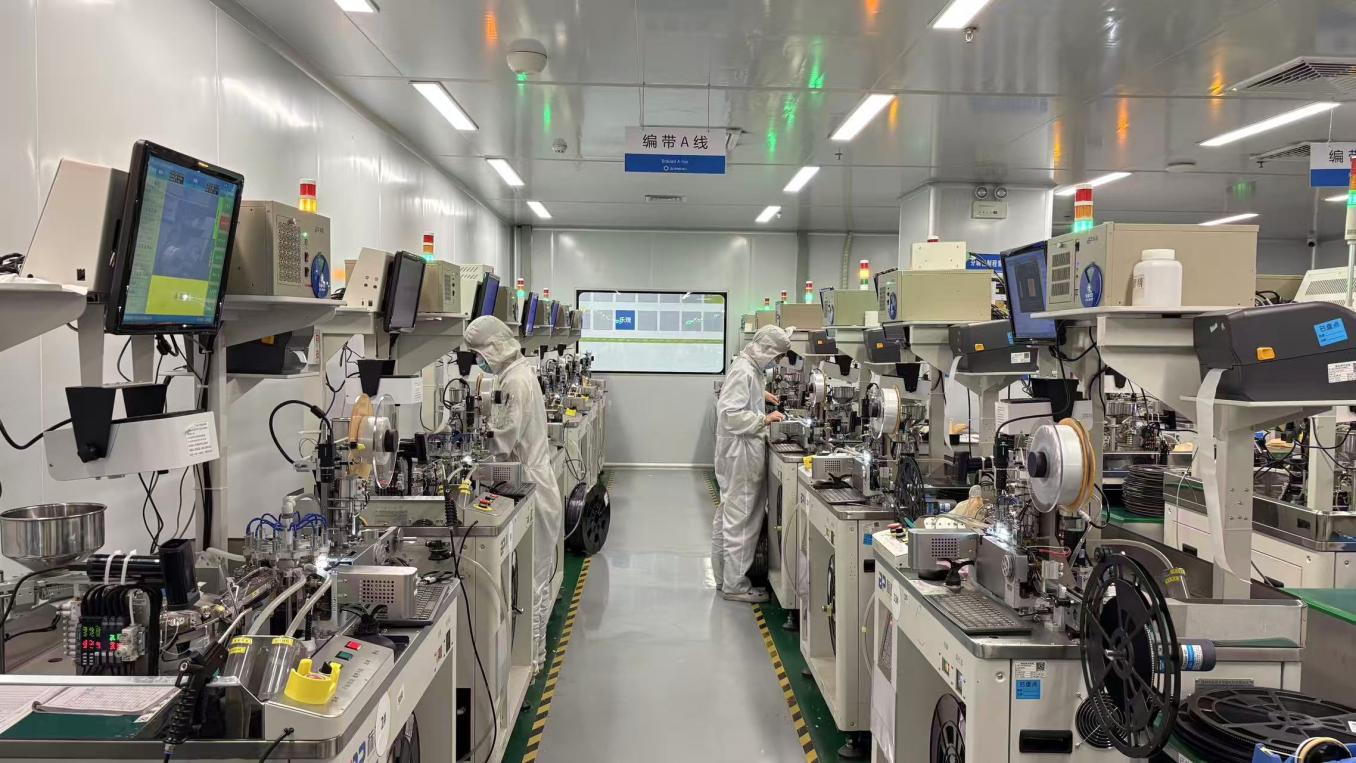
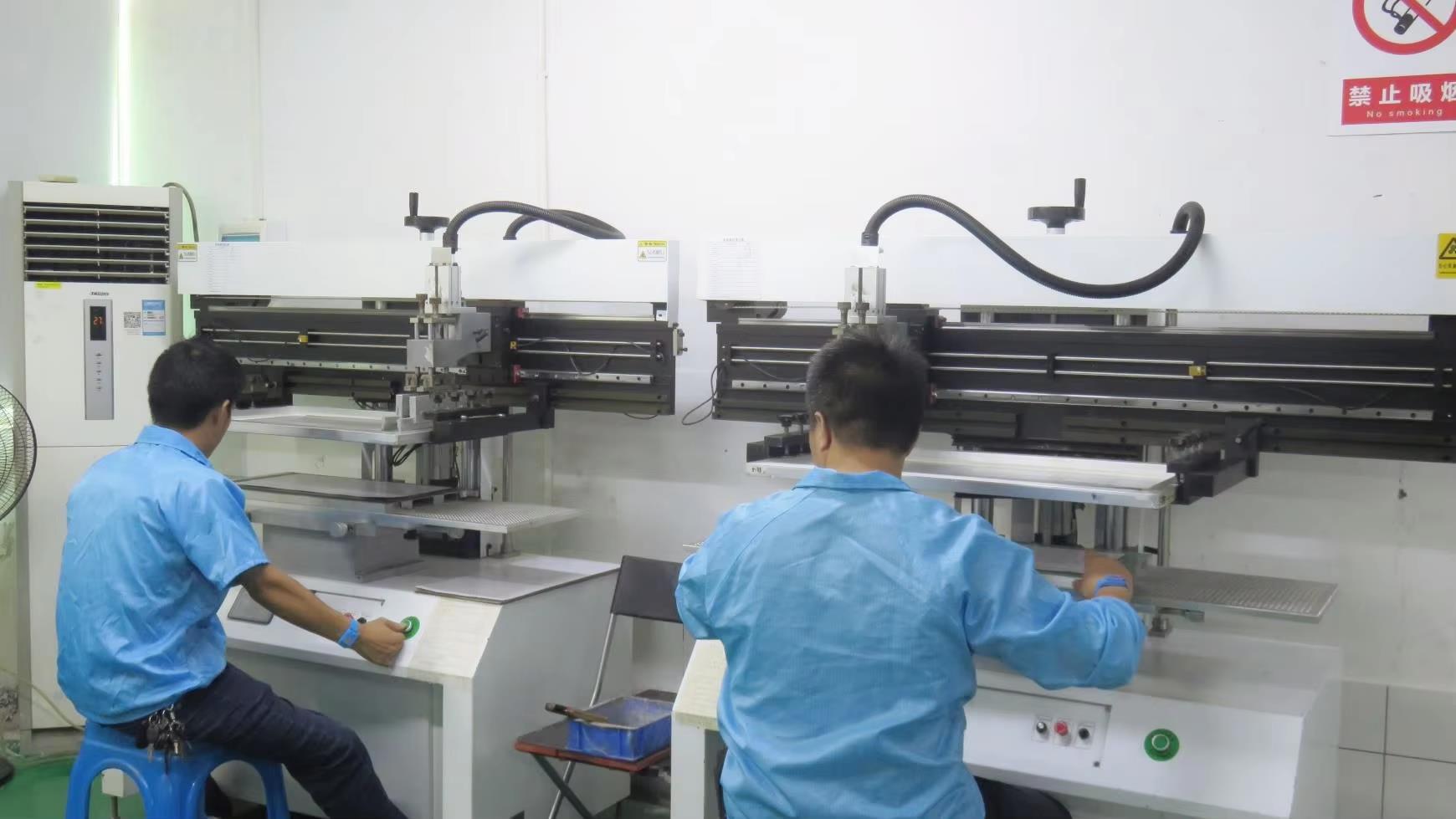
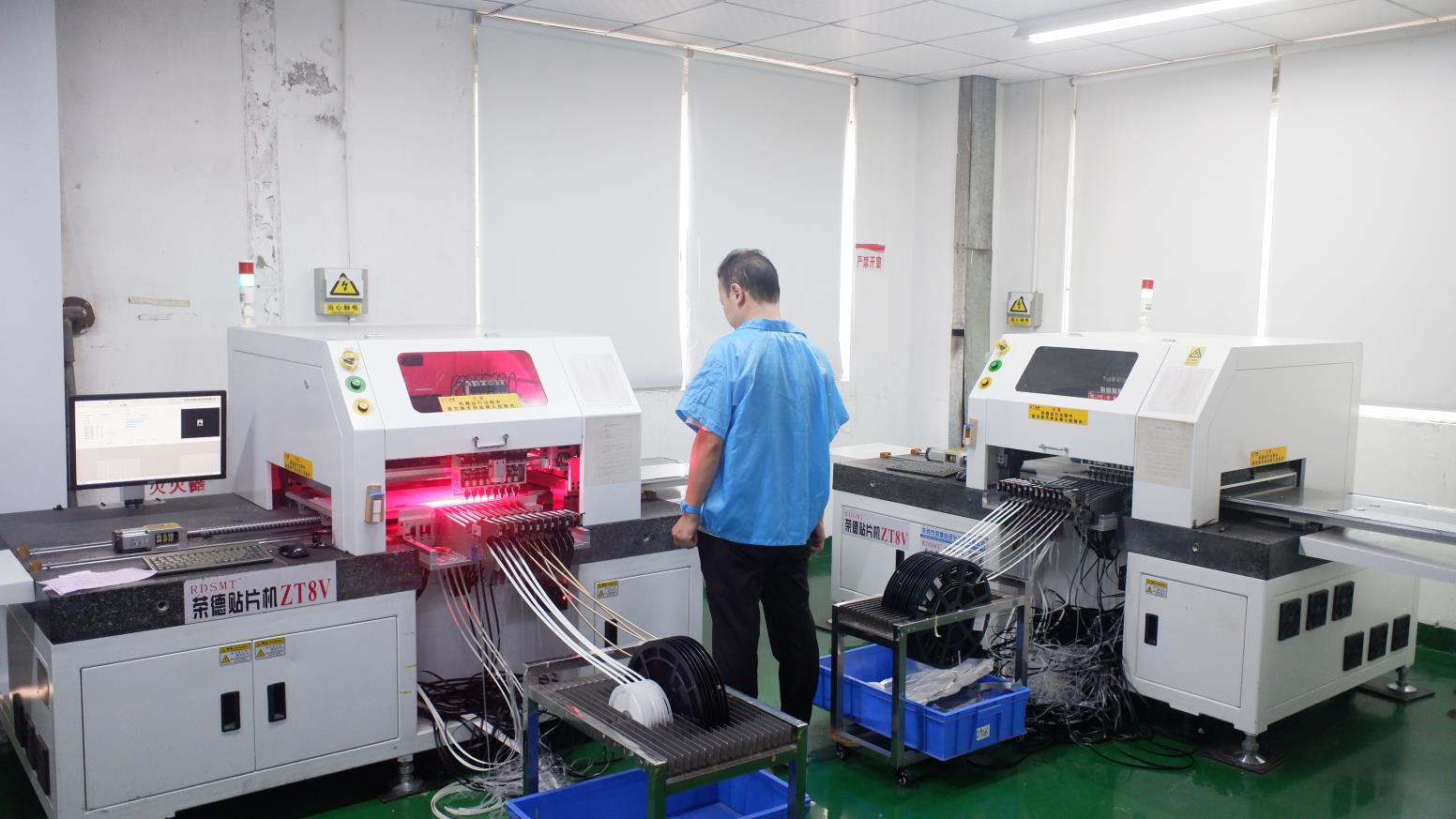
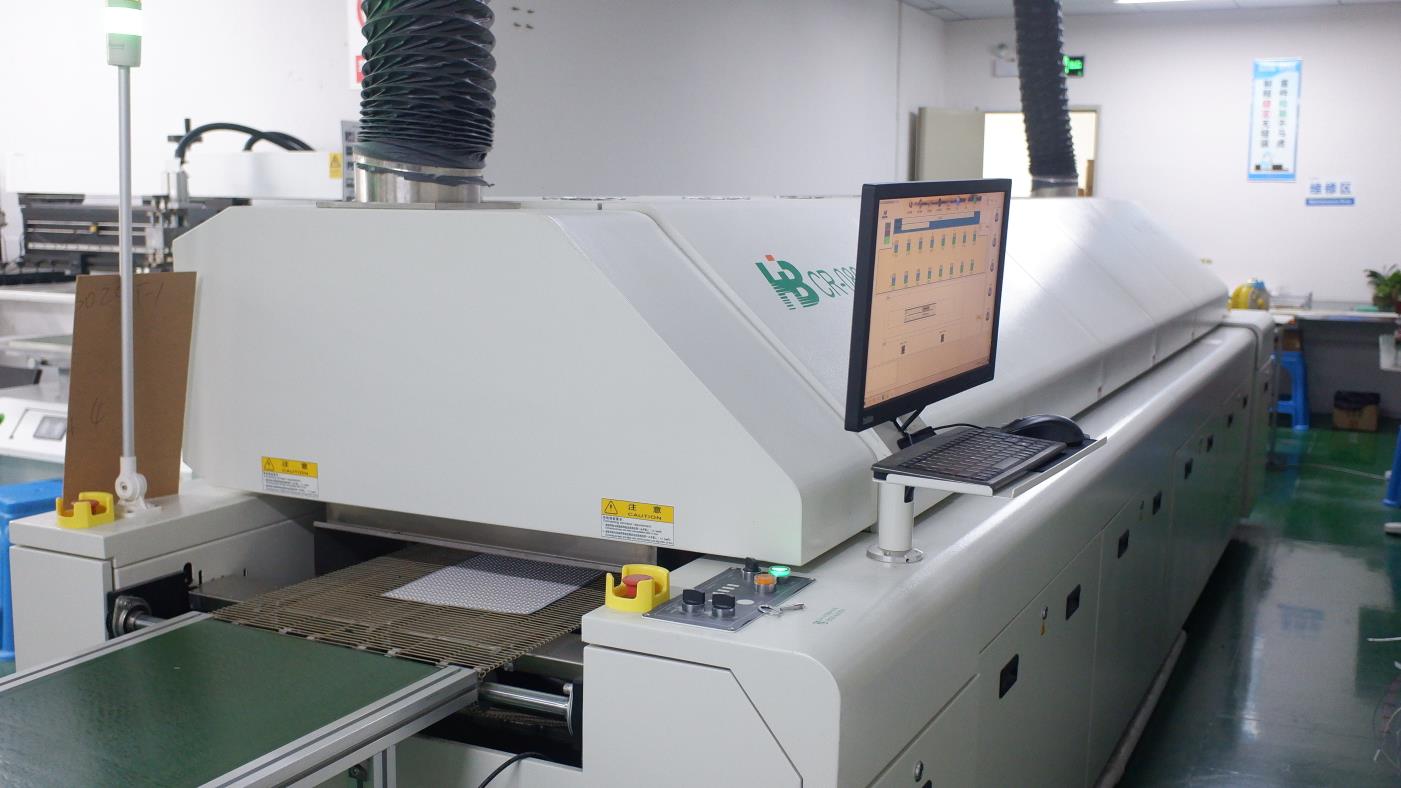
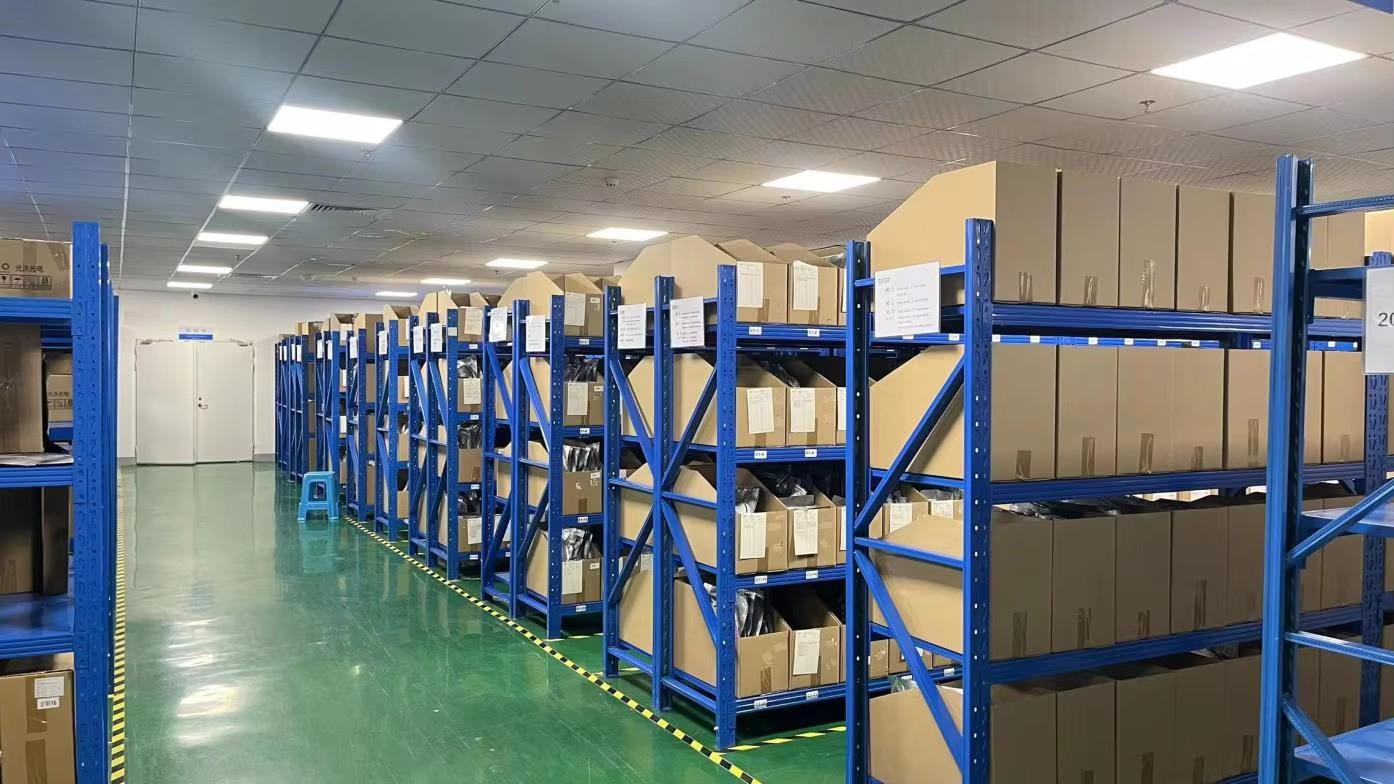
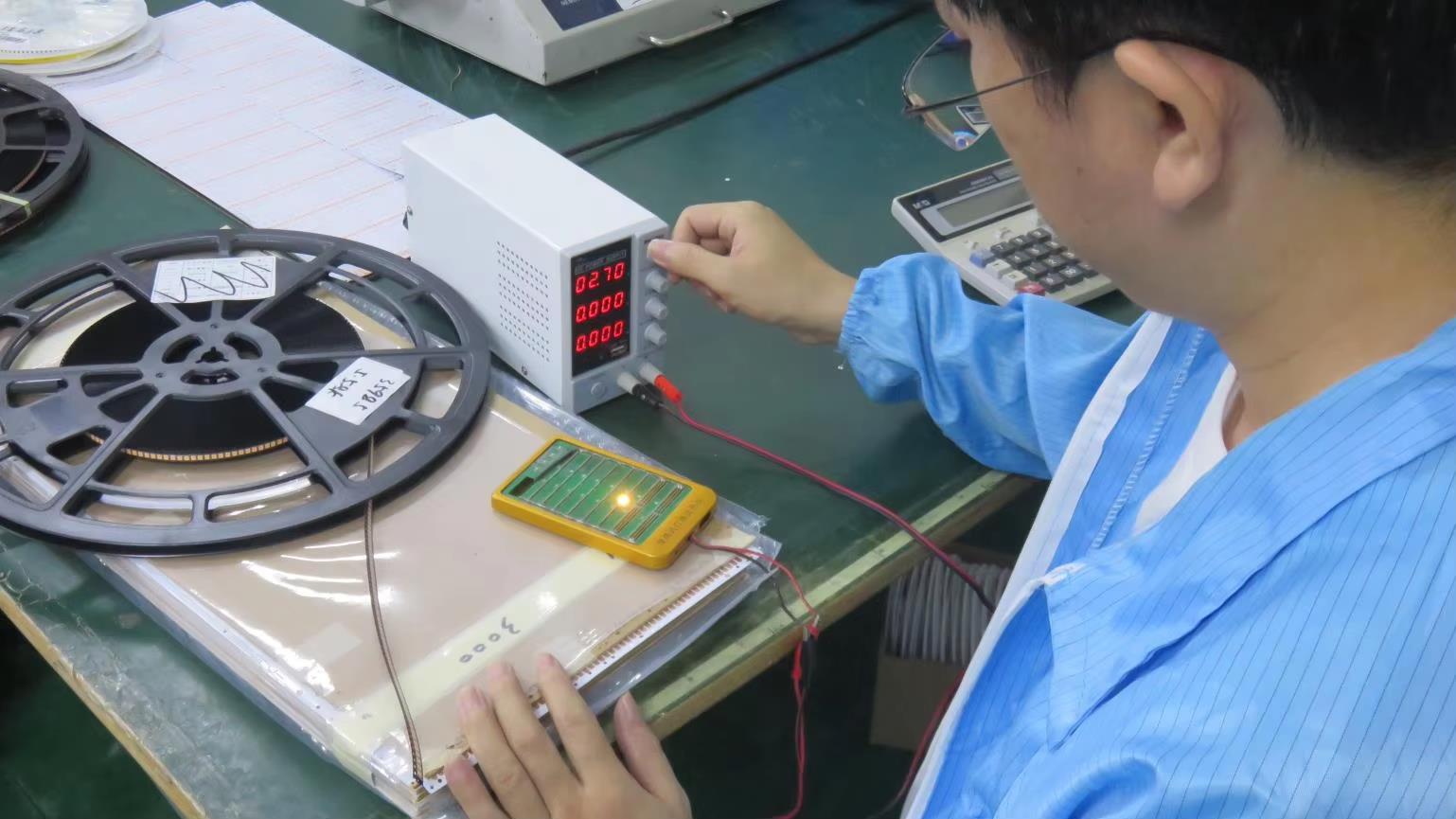
Analyzing key advancements in modern under cabinet systems for diverse target market channels.
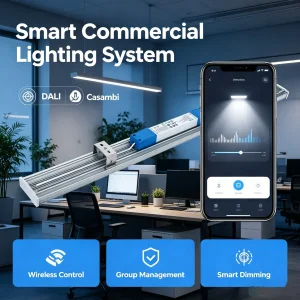
Architectural and workspace lighting designs have shifted decisively toward circadian rhythm matching. High-end residential and commercial projects now routinely demand Tunable White LED fixtures capable of smooth transitions between 2700K (warm relax phase) and 6500K (cool productive daylight phase). Modern under cabinet profiles integrate custom multi-channel SMT arrays with intelligent control protocols like Dali-2 DT8 or Bluetooth Casambi mesh systems to deliver precise spectrums dynamically.
The transition from mechanical wall-switch toggling to voice and automated wireless controls is almost complete. High-end under-counter lighting designs leverage integrated Tuya, Zigbee, or Matter controllers to provide seamless interface capabilities. This allows system level automation which integrates ambient lighting arrays with overall smart building networks.
Architectural details demand clean lines. Low profile aluminum extrusions, sometimes as thin as 6mm, are routing directly into custom millwork. The use of magnetic track low-voltage rails has also risen, providing unmatched flexibility for modular retail display configurations and adjustable gallery shelves.
North America: Heavy emphasis on UL/ETL certification compliance, standardized 120VAC line-voltage direct-wire installations, and deep Triac-dimming curves down to 1%.
European Union: Stricter CE/ErP guidelines focusing on eco-efficiency, easy serviceability (removable light sources or drivers), and clean, frameless linear styles with high-efficiency output.
APAC & MEA: Massive growth in commercial mixed-use developments, preferring high-durability anodized aluminum housings, high-density COB strips (no dots), and competitive pricing frameworks for bulk procurement.
Get professional, engineering-focused answers to the most common queries regarding commercial LED under cabinet sourcing.
Under cabinet fixtures operate primarily as task lighting over food preparation areas, retail displays, and technical worktops. High fidelity color representation is crucial. A low CRI (<80) renders surfaces dull and distorts natural tones. Premium specifications require Ra > 90 and R9 > 50 to render red hues accurately, guaranteeing safety, aesthetic appeal, and natural color replication under the cabinets.
Constant Voltage systems (usually 12V or 24V DC) are ideal for modular, cuttable LED strip installations and long runs due to their ease of parallel wiring and simple connection schemes. Constant Current systems, conversely, are typically used in integrated downlights and rigid linear fixtures. CC drivers prevent thermal runaway and assure uniform brightness across each diode by regulating current, optimizing efficiency and diode longevity.
Confined cabinet recesses offer limited natural air convection, leading to localized heat build-up. Premium manufacturers address this by using extruded 6063-T5 aluminum profiles. This material acts as a dedicated heat sink, efficiently drawing thermal energy away from the SMT boards. Incorporating high-thermal conductivity thermal interface materials (TIMs) between the LED board and the housing is also essential to prevent junction temperature degradation.
Phase-cut dimming (Triac/ELV) remains popular in retrofit applications due to existing electrical infrastructure. However, for flicker-free performance at ultra-low output, digital protocols like DALI-2, 0-10V, or Casambi Bluetooth mesh are preferred. These protocols isolate the power line from the control signal, eliminating visual anomalies, strobe effects, and acoustic driver buzz across the dimming curve.
Zentem runs a vertically integrated R&D department that handles everything from driver topology design to custom optical diffuser extrusion. By controlling the primary production steps, including SMT, Reflow Soldering, and Die Bonding, Zentem can adapt circuit designs and physical housing profiles to meet specific regional requirements (such as UL, CE, or energy efficacy standards) in under 15 working days.
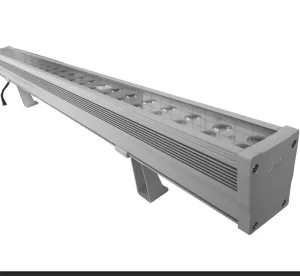
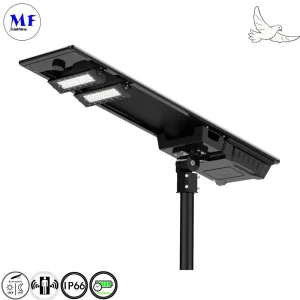
Browse our extensive selection of high-power outdoor washer arrays, street lighting fixtures, and retail linear track profiles.