LED lights have revolutionized the lighting industry, offering efficiency and longevity. However, a common issue arises: why do LED lights burn out early in enclosed fixtures? Understanding this phenomenon is essential for both consumers and manufacturers.
Enclosed fixtures create a unique environment. They trap heat, which can drastically shorten the lifespan of LED lights. High temperatures can lead to thermal stress, affecting the internal components of the bulbs. This failure is often overlooked. Many assume that all LED lights perform equally, ignoring the impact of their installation conditions.
Moreover, not all LED products are built the same. Some are designed for open environments, while others are not. This discrepancy can lead to premature failures in unsuitable settings. Users must select appropriate bulbs for their fixtures. Poor choices can result in waste and dissatisfaction. It is crucial to acknowledge these factors for informed decisions when using LED technology in enclosed spaces.
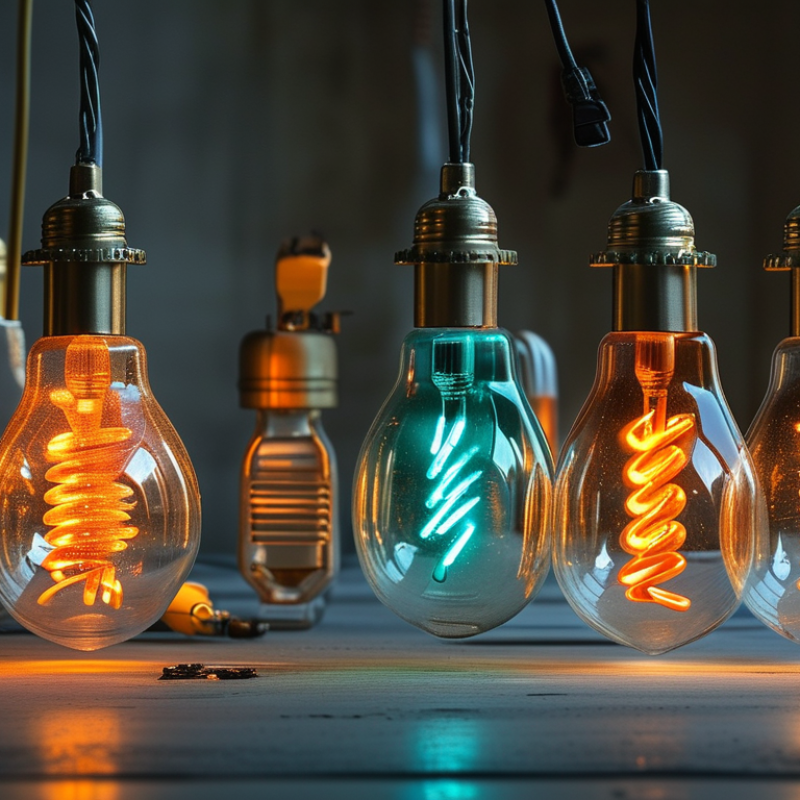
LED lights have become popular due to their
energy efficiency and long lifespan. However, they can
fail prematurely, especially in enclosed fixtures. Understanding the basics of LED technology helps address this issue.
LEDs generate heat, and when enclosed, this heat can accumulate. Excessive heat leads to
thermal stress, which impacts performance.
The materials used in LEDs also play a critical role. Poor-quality components may not withstand high temperatures.
This often results in a shorter lifespan. Installations often overlook ventilation, leading to inadequate heat dissipation.
Many fixtures are designed without proper airflow.
Reflecting on the design of enclosed fixtures is essential. Consider
solutions that improve heat management. Well-ventilated or open designs can allow for better airflow.
Users should assess their choice of lighting and fixture compatibility. It's crucial to measure how heat affects
LED longevity. Awareness of these factors can lead to smarter decisions in lighting.
LED lights have become popular due to their energy efficiency and longevity. However, many users report premature failures, particularly in enclosed fixtures. Several factors contribute to this issue.
Heat is a significant factor in LED failure. Enclosed fixtures trap heat, raising the temperature inside. Excessive heat can damage the LED components, leading to shorter lifespans. Proper ventilation is crucial. If air cannot circulate, the LEDs overheat.
Moisture is another culprit. Enclosed fixtures can trap humidity, which harms the electrical components. Regularly check the seals and gaskets in fixtures. Ensure they are intact to prevent moisture ingress.
Tips: Consider using LED lights designed for enclosed spaces. These often have coatings or designs that mitigate heat retention. Avoid using dimmers incompatible with your LED lights. They can cause flickering or overheating. Regular maintenance can extend the life of your LEDs, too.
LED lights are known for their long lifespan and energy efficiency. However, when placed in enclosed fixtures, many experience premature failure. One major factor influencing this issue is temperature. LEDs thrive in cooler environments, yet enclosed spaces often trap heat, raising operating temperatures.
Excess heat can lead to thermal runaway, where the LED's temperature continues to increase, reducing performance. High temperatures accelerate degradation of materials within the light. It’s not uncommon to find LEDs rated for a certain lifespan that fail within months when used improperly. Interestingly, some fixtures designed for LEDs still don’t account for heat management effectively.
The balance between light output and heat dissipation seems challenging in many designs. Not every installation sees the same outcome, which raises questions about fixture compatibility. Recognizing these limitations is crucial for consumers. Educating users on the importance of airflow can help extend LED life in vulnerable environments.
LED lights are popular for their energy efficiency and long lifespan. However, they can fail prematurely in enclosed fixtures. A key factor behind this is moisture accumulation in these environments. When moisture builds up, it creates a perfect breeding ground for corrosion. This can directly affect the LED components, leading to premature burnout.
Heat is another significant issue. Enclosed fixtures trap heat, raising temperatures beyond normal levels. Excess heat can damage the electronic components and decrease their lifespan. It's essential to design fixtures that allow for ventilation. Adequate cooling extends the life of the bulbs, helping them function as intended.
Tips: Ensure your fixtures allow for proper airflow. You might consider using fixtures with built-in cooling features. Pay attention to humidity levels in the area where the lights are used. Using dehumidifiers can reduce moisture and enhance the longevity of your LED lights.
Enclosed fixtures can cause LED lights to fail prematurely due to heat buildup. Research indicates that high temperatures can reduce LED lifespan significantly. Tests show that when operating temperatures exceed 85°C, the life expectancy can drop by up to 50%. This problem occurs because enclosed spaces lack proper ventilation. Inadequate airflow traps heat, leading to thermal degradation of the LED components.
To mitigate these issues, several best practices can be adopted. Choosing fixtures designed for LED use is critical. These fixtures often include heat sinks or vents, helping dissipate heat. It’s also important to avoid overdriving LEDs, as excessive current increases heat. Limiting wattage or integrating a dimmer can provide a cooler environment. Continuous monitoring of fixture conditions can reveal potential problems. Regular checks ensure the fixture remains within optimal temperature ranges.
Another consideration is the use of appropriate lenses and covers, which can influence heat retention. Selecting materials that withstand high temperatures contributes to longer LED life. Despite these strategies, challenges can still arise. Installation mistakes, such as improper mounting, can hinder airflow. Each of these factors highlights the need for ongoing education and awareness within the lighting industry.
: Enclosed fixtures trap heat and moisture, leading to thermal stress and corrosion. These factors directly affect LED lifespan.
Excessive heat damages electronic components and reduces longevity. Proper ventilation helps prevent overheating.
Moisture can create corrosion in LED components. This exposure can cause premature burnout of the lights.
Consider using open designs or fixtures with built-in cooling features. Ensure air can circulate freely.
Not all LEDs are designed for enclosed fixtures. Select lights specifically marked for such use to avoid issues.
Regular checks are important. Ensure gaskets and seals are intact to prevent moisture ingress that can harm LEDs.
Yes, incompatible dimmers may cause issues like flickering or overheating. Always use compatible dimmers with your LEDs.
Regularly inspect fixtures and ensure proper airflow. Reducing moisture with dehumidifiers can also help maintain longevity.
Good design allows for proper heat dissipation and moisture control, which are crucial for maintaining LED performance.
Yes, without considering heat and moisture factors, users might expect longer lifespan than actual performance allows. Regular assessment is needed.
The article "Why Do LED Lights Fail Prematurely in Enclosed Fixtures?" explores the fundamental aspects of LED technology and their lifespan, focusing on the reasons behind early burnout in confined spaces. One of the key factors contributing to this issue is the accumulation of heat within enclosed fixtures, which significantly impacts LED performance and longevity. Additionally, moisture buildup can exacerbate problems, leading to accelerated failure rates.
To mitigate these issues, the article emphasizes best practices for using LED lights in enclosed environments. Understanding the role temperature plays and ensuring proper ventilation can help maintain optimal conditions for LED operation. Ultimately, recognizing why do LED lights burn out early in enclosed fixtures allows users to make informed decisions and implement strategies that enhance the durability and reliability of their lighting solutions.